Blog

  • How Digital Twins Enhance Smart City Development

    How Digital Twins Enhance Smart City Development

    Digital Twins are transforming Smart Cities in profound ways, revolutionizing how we approach urban planning, management, and sustainability.

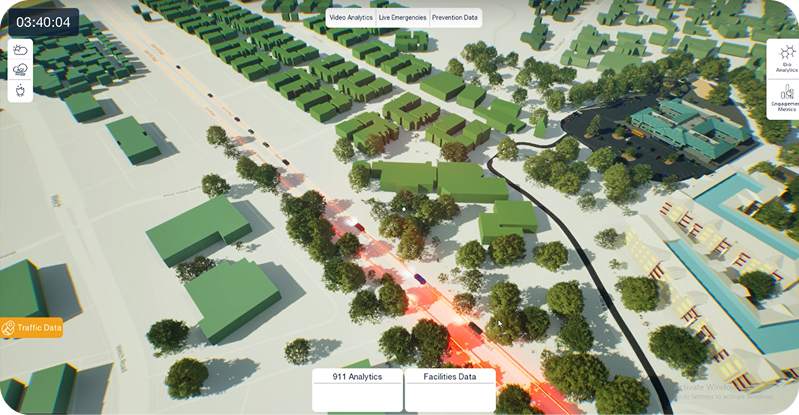
    Imagine having a digital twin of a school—that not only shows the building but also how everything around it works in real time.

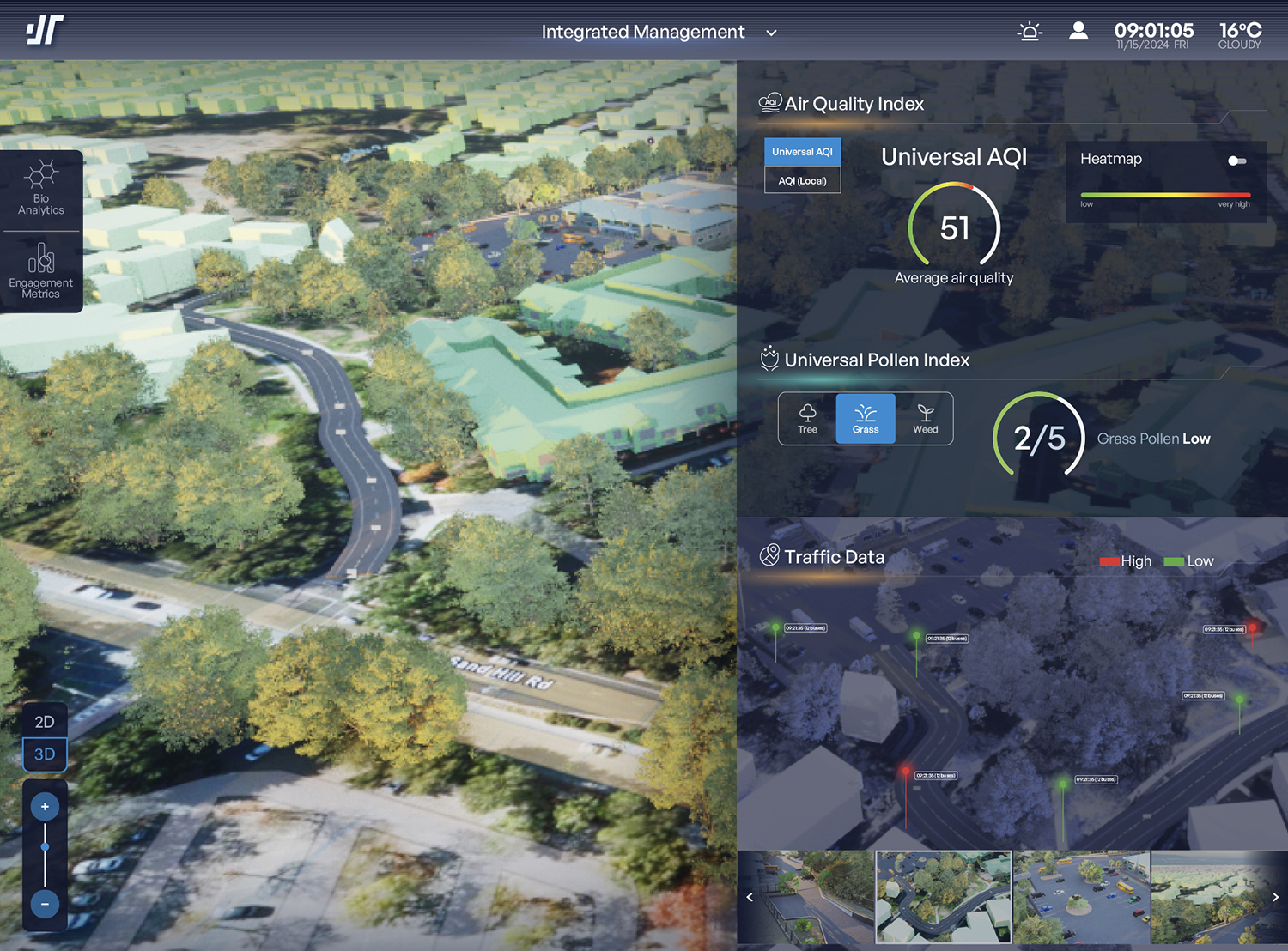
    This project is all about creating a lifelike 3D model of the school, blending in live data about the weather, air quality, and even how people and vehicles move around.

    As we dive into this project, we’re not just building a model; we’re crafting an experience that brings together the digital and physical worlds.

    Project Overview:

    • Client: MVP for a school in California and it nearby areas
    • Duration: May 2024 – August 2024
    • Field: Smart Cities
    • Case study (Request for a demo)

    Understanding Digital Twins

    What is a Digital Twin?
    A digital twin is a virtual copy of something in the real world—whether it’s a physical object, a process, or an entire system.

    By collecting live data from sensors, simulations, and other sources, digital twins create dynamic, up-to-date models that reflect the physical version.

    This connection makes it possible to monitor, analyse and improve how things work in ways that weren’t possible before.
    NASA was at the forefront of pioneering simulation technologies in the 1960s, which laid the groundwork for the evolution of the digital twin concept, particularly through its innovative use of simulators during missions like Apollo 13. (Source)

    Technology Stack and Communication Channels Used:

    Web Technologies 

    • Real time traffic/Tom Tom
    • ArcGIS
    • JavaScript
    • C++
    • Python
    • Qgis
    Front-end Technologies 

    • Unreal 5.3
    • Blender
    • JavaScript

    Importance of Data in Building a Digital Twin

    Quality of Data Matters
    Good data is the foundation of any digital twin. Without accurate data, the virtual model won’t match reality.

    Types of Data Needed:

    • Historical data: Past records and information
    • Scanned data: 3D scans of physical spaces and objects
    • Trained data: Information that helps the system learn and improve
    • Data mapping: How different pieces of information connect

    Why Data Quality is Key:

    • Accurate models need precise measurements
    • Real-time updates rely on current data
    • Wrong data leads to incorrect predictions
    • Better data means more reliable results

    Think of it like building a house – you need good materials for a strong foundation.

    The same goes for digital twins. The better your data, the more useful your digital twin will be.

    FAQ Section:

    1. What are the 4 types of digital twins?
      Component/Parts Twins: The basic building blocks of a digital twin, representing individual components or parts.
Asset Twins: When multiple components work together, forming an asset that can be studied and optimized.
System/Unit Twins: Showing how different assets come together to form a complete functioning system, enabling visibility into interactions and performance.
Process Twins: Providing a macro-level view of how entire systems and processes work together across a production facility or larger operation, helping identify optimization opportunities.

The digital twin market is expected to grow rapidly, with projections of it reaching $125.7 billion by 2030, growing at a CAGR of 39.48% from 2021 to 2030. (Source)
    2. Do Digital Twins Use AI?
      Yes and no, digital twins use AI to enhance their capabilities. While AI is often integrated into digital twins to enhance their functionality, it is not a mandatory component for all digital twins.
AI allows digital twins to analyse sensor data, identify patterns, predict issues, and optimize operations in real-time. 
By integrating AI, digital twins become dynamic, intelligent models that can drive innovation and improvement across industries like manufacturing, healthcare, and smart cities.
    3. What problem does a digital twin solve?
      Digital twins address key challenges in various industries by creating accurate digital models of physical systems. They allow organizations to monitor performance in real time, predict failures, and optimize operations using data insights. 
 By simulating real-world conditions, digital twins improve decision-making, boost efficiency, and lower maintenance costs. 
 They also enable businesses to test new ideas in a virtual space before applying them in reality.

    Conclusion

    Digital twins are more than just technological advancements; they’re redefining how we interact with and understand our world.

    By mirroring the real world in a virtual space, digital twins allow us to test, analyze, and improve systems without the risks and costs associated with real-world modifications.

    As this technology continues to evolve, its impact across industries promises to be revolutionary, offering smarter solutions and a deeper understanding of the interconnected systems that make up our daily lives.

    We recommend exploring these insightful case studies and resources to deepen your understanding of digital twins:

    • IBM Digital Twin Overview: Understand the concept and applications of digital twins across industries. Click here
    • McKinsey on Factory Optimization: Discover how digital twins are revolutionizing manufacturing efficiency. Click here
    • PwC’s Report on Smart Cities: Learn how digital twins can enhance urban environments, making smart cities more efficient and sustainable through innovative applications. Click here
  • Case Study: VR Training Module for Kitchen Safety

    Case Study: VR Training Module for Kitchen Safety

    Working in a bustling commercial kitchen is exhilarating but full of risks.

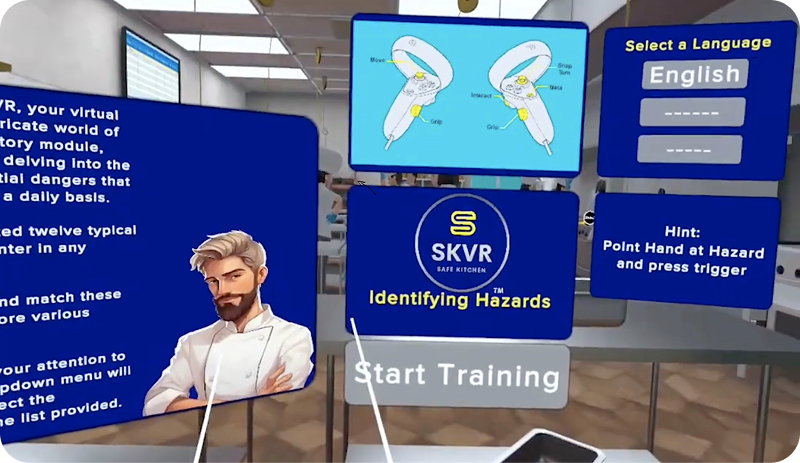
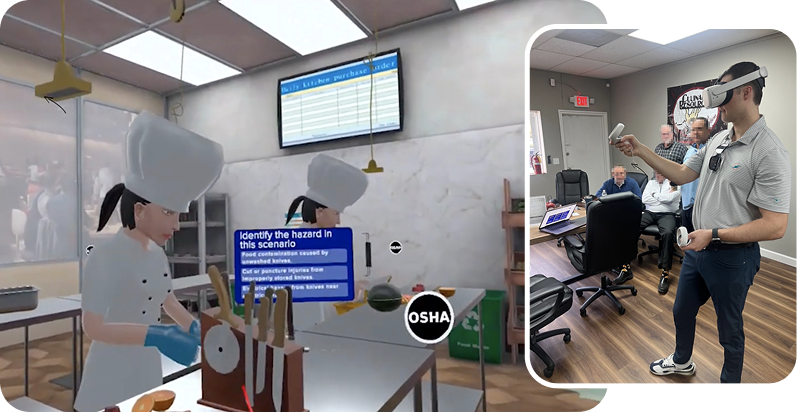
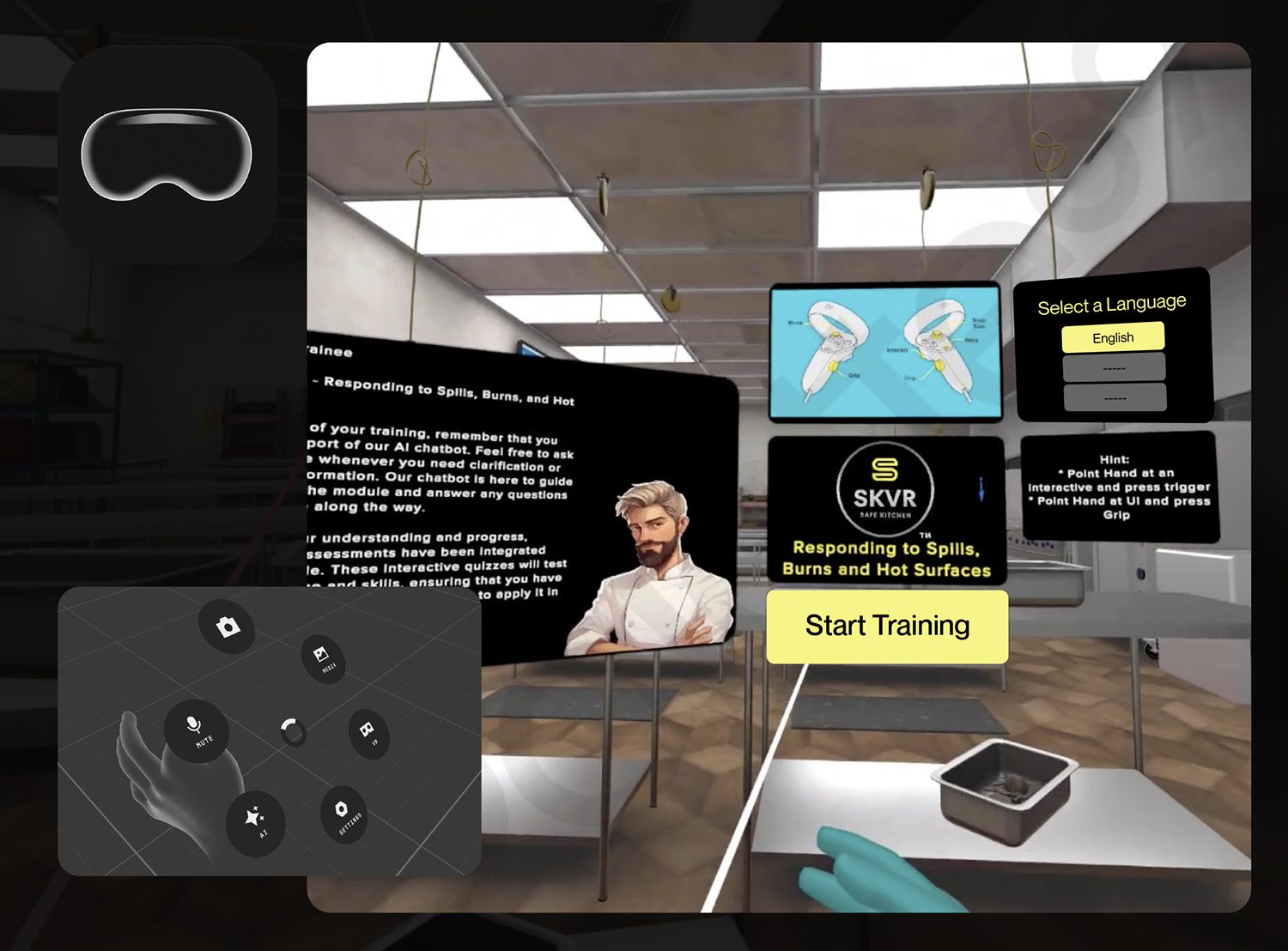
    In this case study, we dive into the creation of a fun and engaging VR training module aimed at teaching kitchen safety.

    It covers common risks like fires, burns, cuts, slips, and falls to ensure everyone feels confident and secure while cooking.

    Project Overview:

    • Client: Safe Kitchen VR for Florida Technical University (*with cause verse)
    • Duration: October 2023 – March 2024
    • Field: VR and web-based training module

    What We Set Out to Achieve

    Our training module was designed with four key goals in mind:

    1. Spot Dangers like a Pro: We wanted kitchen staff to become experts at identifying potential hazards in commercial kitchens – from hot surfaces to wet floors and everything in between.
    2. Make Learning Fun and Real: Using lifelike graphics and hands-on interactive elements, we created an engaging experience that feels just like being in a real kitchen. No more boring safety manuals!
    3. Turn Safety into an Adventure: We added gamification elements like achievement badges, progress tracking, and friendly competitions between team members. 
 Users earn points for spotting hazards and following safety protocols, making the whole learning experience feel like a game rather than a chore.
    4. Learn from Mistakes Safely: We built in smart feedback systems that let users learn from their mistakes without any real-world consequences. Every action gets instant feedback, helping users understand what they did right or wrong.

    Technology Stack Used:

    Web Technologies

    • ThreeJS
    • Croquet
    • Cloud Services – AWS
    • Babylon.js
    • Beamable
    Front-end Technologies 

    • Figma
    • Information Architecture Design
    • User Testing
    • User Flow
    • Interaction Design
    • UI Design
    Project Management Tool 

    • Jira
    • Discord
    • Trello
    • MS Team

    Key Benefits of VR Training for Kitchen Safety:

    Our results showed just how effective VR training can be in teaching kitchen safety.

    Here’s what we discovered:

    Cost-Effective and Scalable Solutions:
    Implementing comprehensive safety training can be costly for businesses, but our VR kitchen safety training module offers a smarter, budget-friendly solution.

    With virtual environments, training can be delivered consistently across multiple locations, cutting out the need for expensive physical setups or travel.

    This streamlined approach not only lowers costs but also ensures every employee receives the same high-quality training, no matter where they are.

    Practice Makes Perfect (Without the Risk):
    The beauty of VR is that staff can practice handling dangerous situations without any real danger.

    Whether it’s dealing with grease fires or practicing knife safety, users can make mistakes and learn from them in a completely safe environment.

    Instant Feedback for Real Growth:
    Our real-time feedback system functions like a personal coach, offering immediate tips and corrections. Users quickly understand what they did right or wrong, making the learning process faster and more effective.
    With these key benefits, our VR training module stands out as a game-changer in kitchen safety education!

    FAQ Section:

    1. What are the safety issues with VR?
      The main safety concerns with VR training involve things like motion sickness, eye strain, and the potential for trips/falls when users are immersed in a virtual environment. But these issues can be largely mitigated through proper setup, user guidance, and safety protocols.
    2. Is VR training cheaper?
      In many cases, yes! VR training can actually be more cost-effective than traditional in-person training programs. By eliminating the need for physical setups, travel, and instructor time, VR allows businesses to scale their safety training efficiently and affordably.
In reference to the case study we built above, the pricing was tailored to the specific resources needed for each module, making it both affordable and high-quality, as we ensured to hire the best skill sets exactly when and where needed to achieve top-notch results.
    3. How do I create a VR training program?
      Creating a VR Training Program: Key Steps

      • Define Objectives: Set clear, measurable training goals.
      • Plan Content: Develop a storyboard for training flow and interactivity.
      • Choose Tools: Select VR development platforms (e.g., Unity) and hardware (e.g., Oculus Quest).
      • Test & Refine: Conduct user testing and adjust based on feedback.
      • Deploy & Monitor: Launch the program and track performance for continuous improvement

      These steps ensure an effective and immersive VR training experience.
      Source: How to Create VR Training Content

    4. How effective is VR training?
      VR training has been shown to be incredibly effective, as it allows trainees to practice critical skills in a realistic, risk-free environment. By simulating real-world scenarios, VR helps develop muscle memory and decision-making abilities that translate directly to the job.

    Conclusion

    The VR training module for kitchen safety is a game-changing solution that revolutionizes workplace safety.

    By immersing staff in realistic simulations, this training helps identify hazards and empowers users to respond effectively in emergencies.
    With benefits like cost-effectiveness, scalability, and risk-free learning, this VR-powered training is a must-have for any organization serious about enhancing kitchen safety.

    Implement a VR training module today and elevate your team’s skills, boost morale, and run a safer, more efficient culinary operation.

  • Data Driven UX and UI Design for a Recruitment company- Hiring Pad

    Data Driven UX and UI Design for a Recruitment company- Hiring Pad

    Imagine building a house blindfolded. Sounds impossible, right? Yet, that’s exactly what designing digital experiences without data feels like.


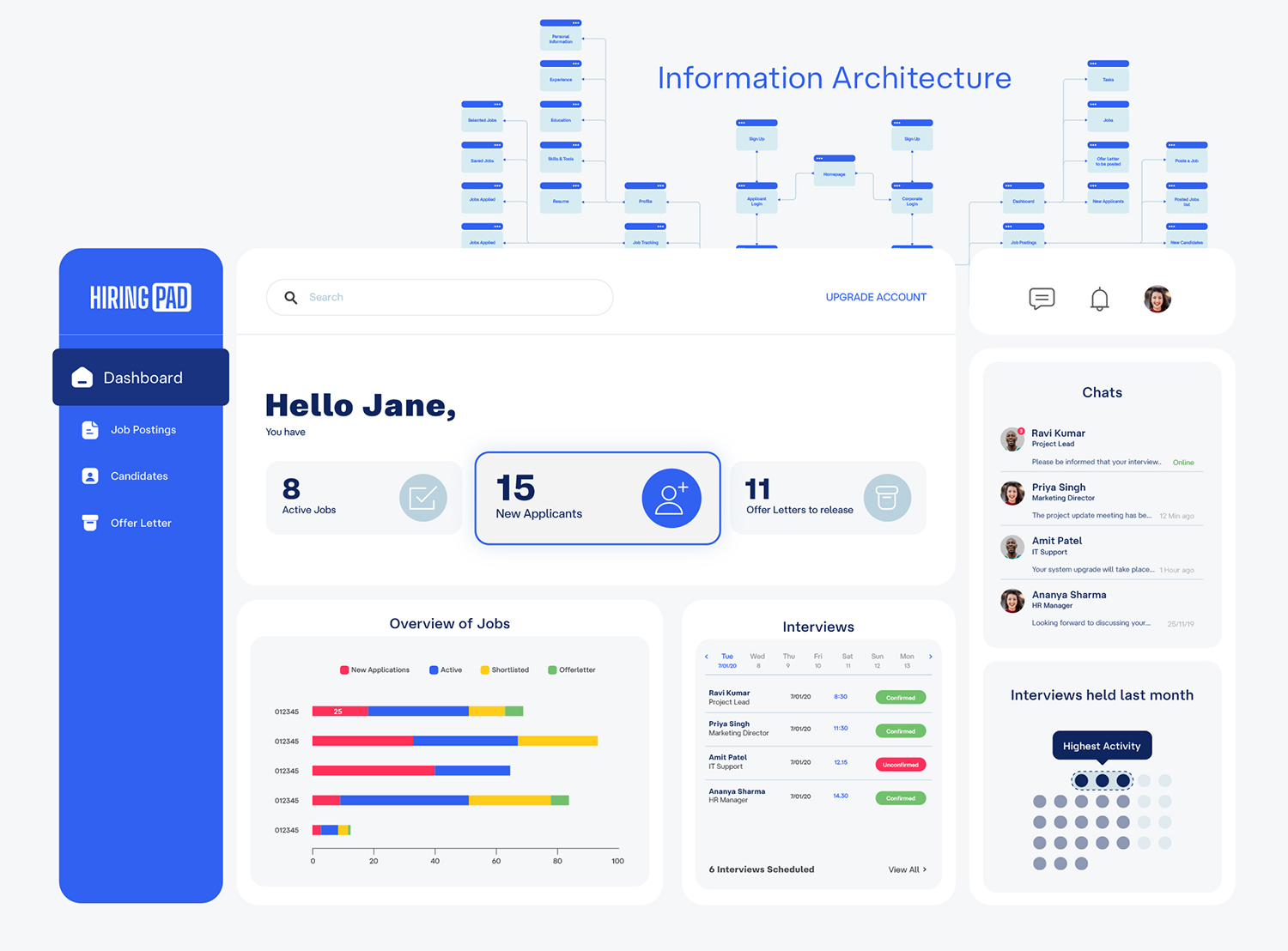
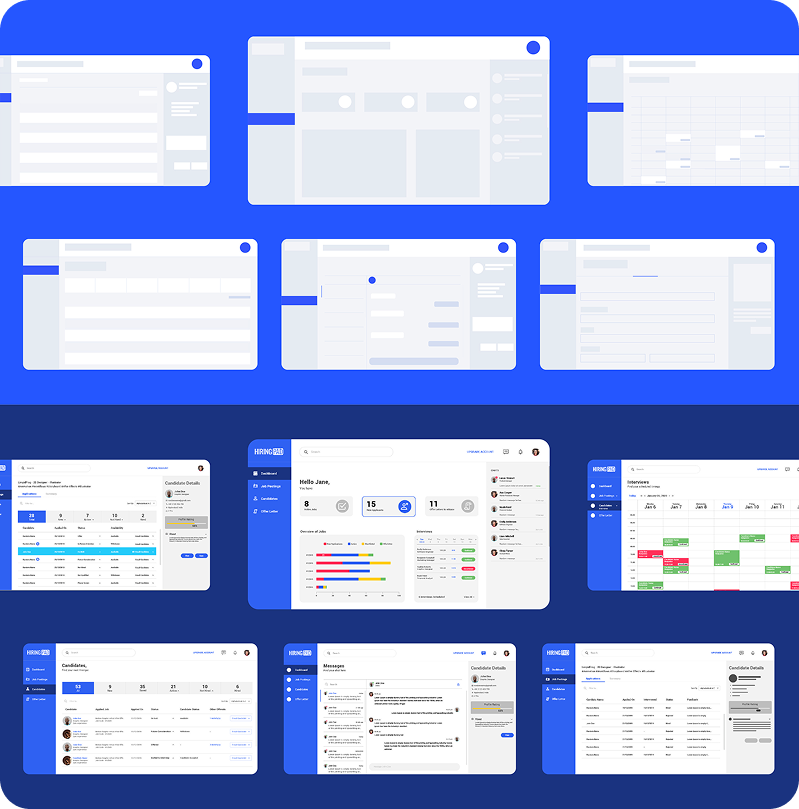
    This case study looks at the UX and UI design journey of Hiring Pad, a recruitment platform designed to simplify job application management for recruiters while enhancing the experience for candidates.

    Project Overview:

    • Client: Hiring Pad
    • Industry: Recruiting/HR Platform
    • Status: Feb 2021 – April 2022 (*pre-AI tools)
    • Origin: Indian startup

    Core Purpose:

    • Helps recruiters manage job postings and applications
    • Focuses on candidate skill rating
    • Simplifies the hiring process through user-centric design
    • Provides accessible dashboard for both candidates and companies
    • The issue of candidates resigning without notice, engaging in moonlighting, or accepting offers but not joining can be addressed with a shared data board for companies. More transparent data.

    At Hiring Pad, we faced a common challenge: how do we create an interface that meets the needs of both recruiters and job seekers?

    The answer lies in combining data + design.

    The Design Process

    User Research Methods:

    • Online surveys with 30+ recruiters and job seekers
    • In-depth interviews with 12 HR managers
    • Usability testing sessions with 8 participants
    • Analytics data from similar recruitment platforms
    • Heat map tracking on prototype interfaces

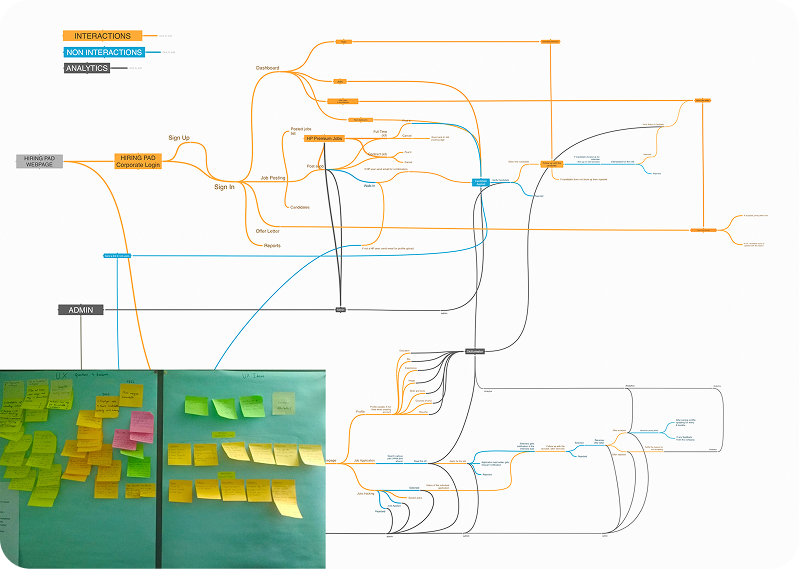
    Framing the information architecture

    Technology Stack Used:

    Web Technologies 

    • ExpressJS, Node
    • Database – Mysql, MongoDB
    • Cloud Services – AWS
    • HTML, C++
    Front-end Technologies 

    • Figma
    • Information Architecture Design
    • User Testing
    • UX Research
    • NextJS, Redux, Tailwind, CSS

    FAQ Section:

    1. How will you balance creating an amazing UX while keeping in mind the many goals of my business?
      Balancing a seamless user experience (UX) with your business goals requires aligning user needs with your objectives. 
By leveraging data-driven design, we can create intuitive interfaces that not only delight users but also drive measurable results, like higher engagement and conversions.
    2. What’s the difference between UI and UX design (in the context of AI)?
      UI (user interface) design is all about how the product looks – the visual elements, layout, and interaction. UX (user experience) design is focused on how the product feels and functions, making sure it’s easy and enjoyable to use.
 In today’s rapidly evolving landscape, UI design is becoming increasingly faster and easier to create with the help of AI. However, UX design encompasses multiple attributes that require thorough research and extensive interaction with users.
    3. How do you measure the success of a UX design project?
      To ensure the design meets your business goals and delights your users, we’ll establish key performance indicators (KPIs) to track progress.
We’ll work closely with your team to fully understand your objectives, audience, and challenges. Then we’ll design solutions that meet user needs while supporting your core goals.
Throughout the project, we’ll implement regular milestone checks to assess progress against the KPIs. This iterative approach allows us to make data-driven adjustments as needed, keeping the design aligned with user feedback and business requirements.
By continuously monitoring these metrics, we can refine the designs and move forward confidently, knowing we’re on the right track to success.
  • Sentient Chain: A Case Study in Block chain Game Development

    Sentient Chain: A Case Study in Block chain Game Development

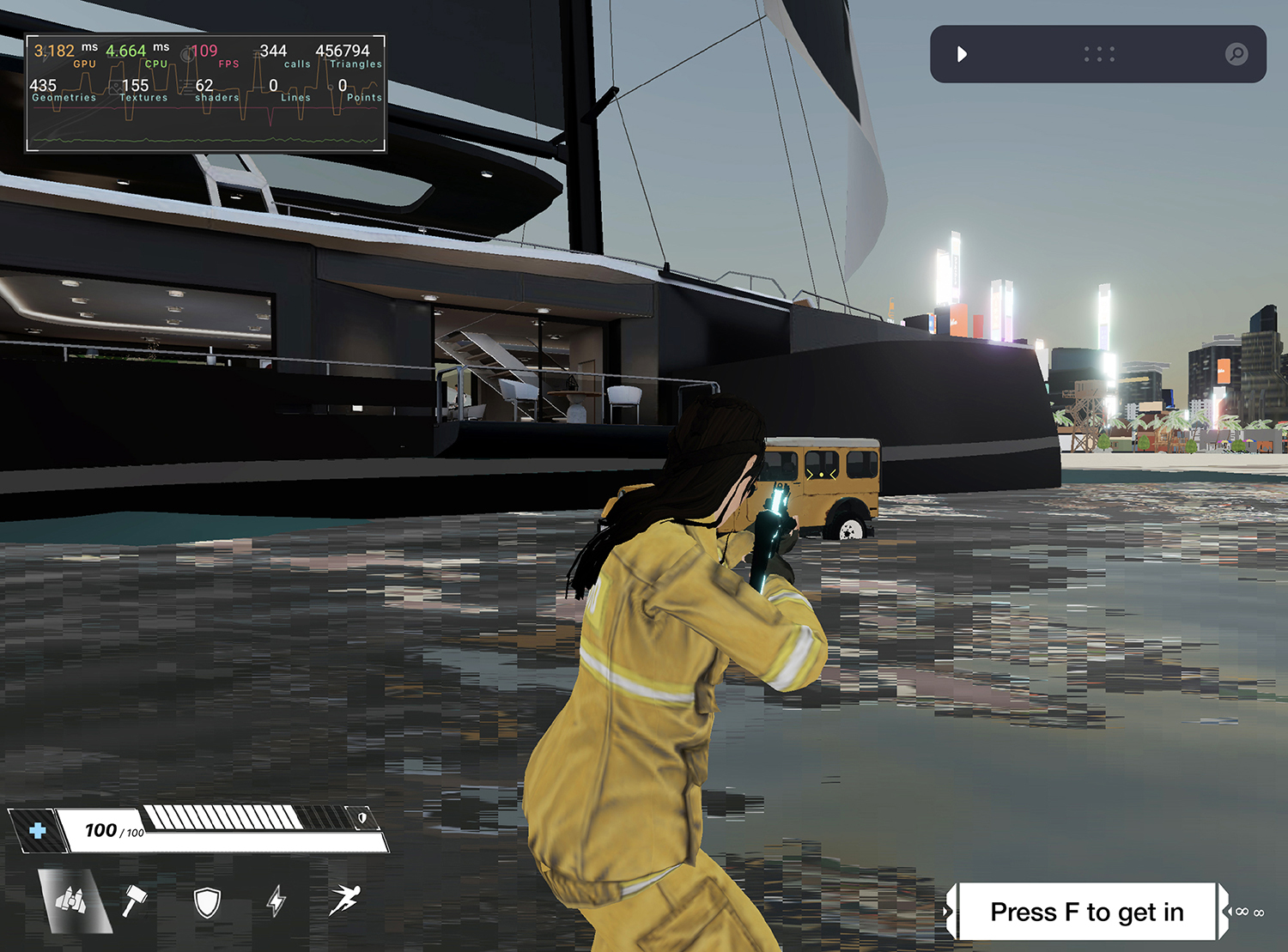
    Sentient Chain is an interesting project that came out of the ErgoHack hackathon.

    It focuses on Non-Interactive Proofs of Proof-of-Work (NIPoPoW) technology.

    This technology improves communication between different blockchains.
    This is especially relevant for the growing Play-to-Earn (P2E) gaming sector and decentralized exchanges (DEXs).

    Sentient Chain aims to create better gaming experiences by allowing seamless interactions across various blockchain networks.
    In a time when gamers want more than just fun, SentientChain offers a new way to earn real value from gameplay.

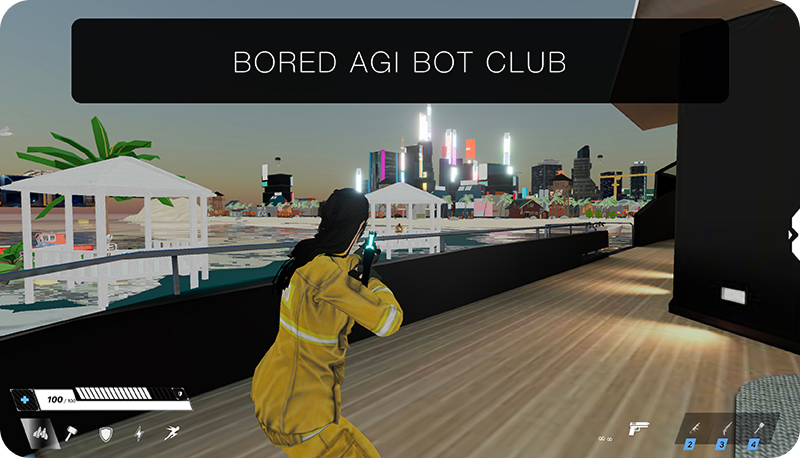
    Bored AGI Bot Club

    Project Overview:

    • Client: Sentient Chain
    • Duration: October 2023 – March 2024
    • Field: Blockchain Gaming

    Incredible work, on time, above and beyond, extremely high quality. I Would highly recommend Pravanjan
    Scott D – Founder, Sentient Chain

    NIPoPoW Technology Explained

    How NIPoPoW Makes Gaming Better
    Let’s break down NIPoPoW in simple terms.

    Think of it as a smart shortcut for blockchain games.

    Instead of checking every single block in a chain, NIPoPoW lets games verify information quickly and safely.

    What It Does

    • Speeds up how games talk to each other
    • Makes transactions faster
    • Keeps your game assets safe
    • Uses less computer power

    In Gaming NIPoPoW helps players:

    • Move items between different games easily
    • Trade faster
    • Play without long waiting times
    • Keep their gaming items secure
    Feature Traditional Gaming NIPpPoW Gaming
    Verification Speed Slow Quick checks
    Energy Consumption High Energy efficient
    Chain Limitation Limited to one chain Works across multiple chains
    Transfer Complexity Complex Simple transfers

    Supporting Sources
    The technology enables cross-chain transactions, allowing users to interact with multiple blockchains efficiently, which is crucial for seamless gaming experiences.
 Explore – https://nipopows.com/

    A study on NIPoPoWs highlights their ability to compress blockchain data, making it easier for light clients to verify transactions without needing the entire blockchain
 Explore – https://eprint.iacr.org/2017/963.pdf

    Technology Stack and Communication Channels Used:

    Web Technologies

    • WebGL
    • C++
    • Cloud Services – AWS
    • ThreeJS
    Front-end Technologies

    • Figma
    • Blender
    • Unity 3D for testing

    Development Process

    Quick MVP Timeline

    1. Phase 1: Foundation
      • Understand project goals (kick start call and chat)
      • Gather ready-made 3D assets (optimize the poly count with AI/Blender/C4D for web)
      • Design the fun side of things fast (taking ref from what work already)
      • Set up Web GL project
      • Create basic controls
    2. Phase 2: Build & Test
      • Design first playable level
      • Add core gameplay features (run, jump, walk and etc)
      • Test web performance
      • Fix critical issues
    3. Phase 3: Launch & Improve
      • Release MVP version
      • Collect user feedback
      • Start ongoing updates
      • Plan future features
    4. Continuous Development
      • Polish gameplay
      • Add new features
      • Fix bugs
      • Optimize performance

    This approach helps launch quickly while keeping room for improvements.

    Think of it as building with LEGO – start with the basics, then add cool features as you go!

    FAQ Section:

    1. What are the main challenges faced during block chain game development?
      Security Issues: Ensuring smart contracts are secure and protecting against phishing scams.
Complex Gameplay Mechanics: Balancing blockchain integration with engaging gameplay to avoid complexity for players.
Technical Challenges: Managing cross-chain communication and optimizing performance for web and other platforms
    2. Is blockchain gaming the future?
      From our perspective, players are primarily interested in having fun rather than navigating complex blockchain systems. Our goal is to create a game that is engaging and enjoyable while integrating blockchain technology seamlessly. We aim to find a niche where blockchain can enhance the gaming experience without requiring players to engage with cryptocurrencies, which can still be confusing and uncertain for many.

The blockchain gaming market is projected to reach $165.4 billion by 2030, growing at a CAGR of 51.7% from 2024 to 2030, indicating a strong future for games that can balance fun and technology effectively. Source.

    Conclusion

    The Sentient Chain project highlights the potential of Non-Interactive Proofs of Proof-of-Work (NIPoPoW) technology to transform the gaming industry.

    By facilitating seamless cross-chain communication, this innovative technology can create engaging gaming experiences for players without the need to navigate complex blockchain mechanics.

    As the blockchain gaming market is projected to reach $165.4 billion by 2030, growing at a CAGR of 51.7% from 2024 to 2030.

    By prioritizing fun gameplay, Sentient Chain aims to deliver rewarding experiences that unlock real value for players, making it well-suited to lead the way in the future of immersive and valuable blockchain gaming.