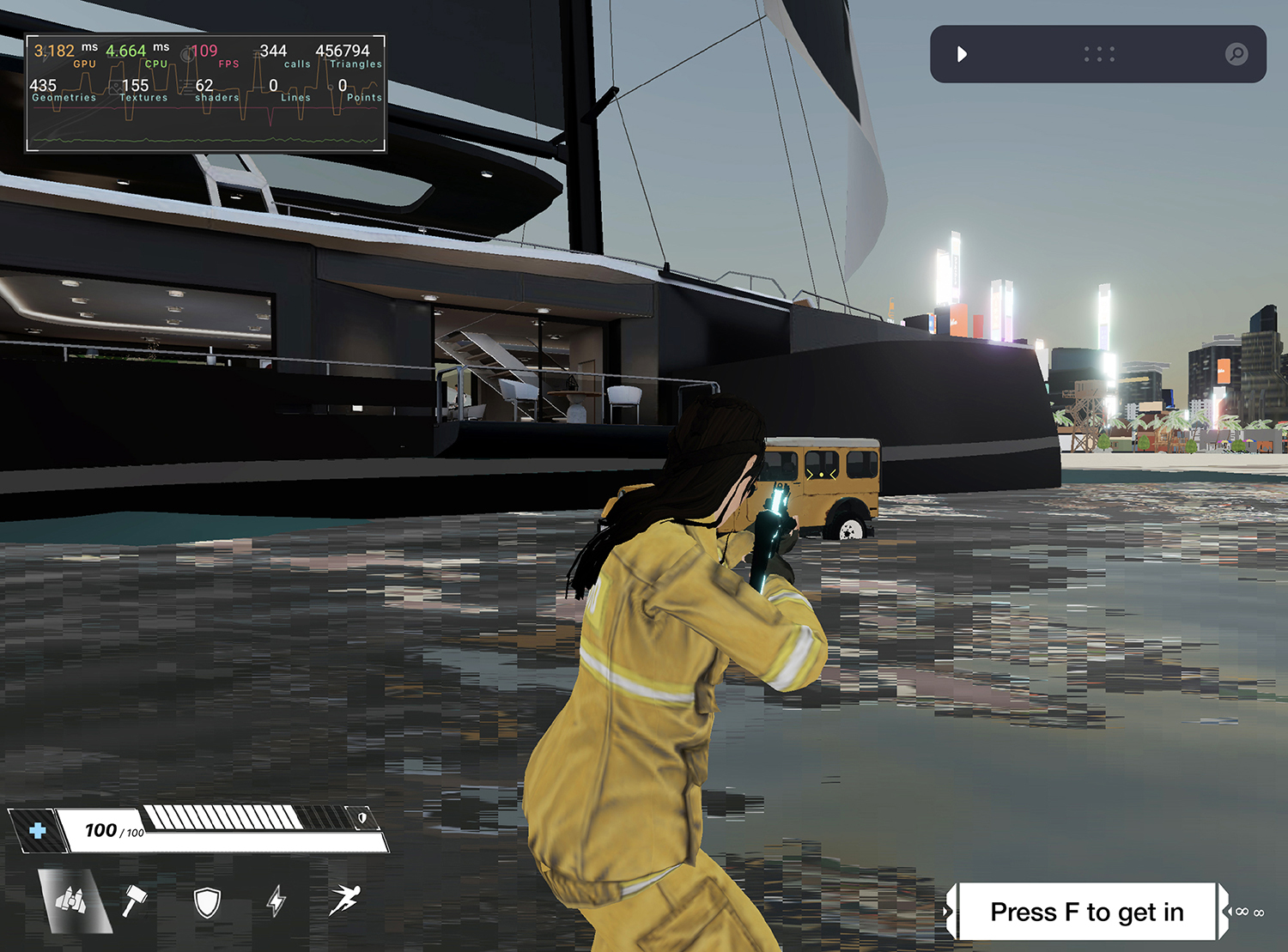
Sentient Chain is an interesting project that came out of the ErgoHack hackathon.
It focuses on Non-Interactive Proofs of Proof-of-Work (NIPoPoW) technology.
This technology improves communication between different blockchains.
This is especially relevant for the growing Play-to-Earn (P2E) gaming sector and decentralized exchanges (DEXs).
Sentient Chain aims to create better gaming experiences by allowing seamless interactions across various blockchain networks.
In a time when gamers want more than just fun, SentientChain offers a new way to earn real value from gameplay.
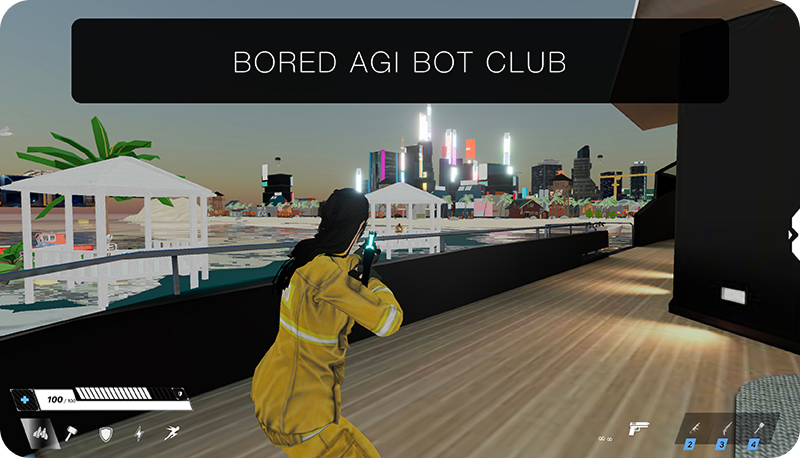
Project Overview:
- Client: Sentient Chain
- Duration: October 2023 – March 2024
- Field: Blockchain Gaming
Incredible work, on time, above and beyond, extremely high quality. I Would highly recommend Pravanjan
Scott D – Founder, Sentient Chain
NIPoPoW Technology Explained
How NIPoPoW Makes Gaming Better
Let’s break down NIPoPoW in simple terms.
Think of it as a smart shortcut for blockchain games.
Instead of checking every single block in a chain, NIPoPoW lets games verify information quickly and safely.
What It Does
- Speeds up how games talk to each other
- Makes transactions faster
- Keeps your game assets safe
- Uses less computer power
In Gaming NIPoPoW helps players:
- Move items between different games easily
- Trade faster
- Play without long waiting times
- Keep their gaming items secure
| Feature | Traditional Gaming | NIPpPoW Gaming |
| Verification Speed | Slow | Quick checks |
| Energy Consumption | High | Energy efficient |
| Chain Limitation | Limited to one chain | Works across multiple chains |
| Transfer Complexity | Complex | Simple transfers |
Supporting Sources
The technology enables cross-chain transactions, allowing users to interact with multiple blockchains efficiently, which is crucial for seamless gaming experiences.
Explore – https://nipopows.com/
A study on NIPoPoWs highlights their ability to compress blockchain data, making it easier for light clients to verify transactions without needing the entire blockchain Explore – https://eprint.iacr.org/2017/963.pdf
Technology Stack and Communication Channels Used:
Web Technologies
|
Front-end Technologies
|
Development Process
Quick MVP Timeline
- Phase 1: Foundation
- Understand project goals (kick start call and chat)
- Gather ready-made 3D assets (optimize the poly count with AI/Blender/C4D for web)
- Design the fun side of things fast (taking ref from what work already)
- Set up Web GL project
- Create basic controls
- Phase 2: Build & Test
- Design first playable level
- Add core gameplay features (run, jump, walk and etc)
- Test web performance
- Fix critical issues
- Phase 3: Launch & Improve
- Release MVP version
- Collect user feedback
- Start ongoing updates
- Plan future features
- Continuous Development
- Polish gameplay
- Add new features
- Fix bugs
- Optimize performance
This approach helps launch quickly while keeping room for improvements.
Think of it as building with LEGO – start with the basics, then add cool features as you go!
FAQ Section:
- What are the main challenges faced during block chain game development?
Security Issues: Ensuring smart contracts are secure and protecting against phishing scams. Complex Gameplay Mechanics: Balancing blockchain integration with engaging gameplay to avoid complexity for players. Technical Challenges: Managing cross-chain communication and optimizing performance for web and other platforms - Is blockchain gaming the future?
From our perspective, players are primarily interested in having fun rather than navigating complex blockchain systems. Our goal is to create a game that is engaging and enjoyable while integrating blockchain technology seamlessly. We aim to find a niche where blockchain can enhance the gaming experience without requiring players to engage with cryptocurrencies, which can still be confusing and uncertain for many. The blockchain gaming market is projected to reach $165.4 billion by 2030, growing at a CAGR of 51.7% from 2024 to 2030, indicating a strong future for games that can balance fun and technology effectively. Source.
Conclusion
The Sentient Chain project highlights the potential of Non-Interactive Proofs of Proof-of-Work (NIPoPoW) technology to transform the gaming industry.
By facilitating seamless cross-chain communication, this innovative technology can create engaging gaming experiences for players without the need to navigate complex blockchain mechanics.
As the blockchain gaming market is projected to reach $165.4 billion by 2030, growing at a CAGR of 51.7% from 2024 to 2030.
By prioritizing fun gameplay, Sentient Chain aims to deliver rewarding experiences that unlock real value for players, making it well-suited to lead the way in the future of immersive and valuable blockchain gaming.
Leave a Reply